
Article Overview
Cabinet depth plays a major role in kitchen functionality, storage capacity, and overall layout efficiency. This article explains how deep kitchen cabinets are, including standard depths for base cabinets, upper cabinets, and pantry cabinets. It also outlines the clearances needed for appliances, walkways, and countertops so homeowners can plan cabinetry layouts with confidence and compare cabinet suppliers more effectively.
When planning a kitchen layout, one of the most common questions homeowners ask is how deep are standard kitchen cabinets. Cabinet depth affects everything from storage capacity to walking space and appliance fit.
While cabinetry often follows industry standards, small variations can significantly impact how a kitchen functions. Understanding these measurements helps homeowners make better decisions during kitchen design or cabinet selection.
How Deep Are Standard Kitchen Cabinets
When people ask how deep are kitchen cabinets, they are usually referring to the three primary cabinet types found in most kitchens: base cabinets, upper cabinets, and pantry cabinets.
Each serves a different purpose, which is why their depths vary.
Standard cabinet depth ensures appliances fit properly, countertops align correctly, and the kitchen remains comfortable to move through.
Base Cabinet Depth
Base cabinets form the foundation of most kitchen layouts. They support countertops, house sinks and appliances, and store heavier items like cookware.
Standard base cabinet depth is 24 inches, measured from the wall to the cabinet front, not including the countertop overhang.
With countertops installed, total depth typically reaches 25 to 26 inches depending on the overhang and edge profile.
This depth works well for several reasons. It provides enough space for large pots and appliances while maintaining comfortable reach for everyday use.
Base cabinet height is typically 34.5 inches, which becomes approximately 36 inches once a countertop is installed.
These dimensions create the ergonomic work surface height most kitchens rely on.
Cabinet depth also affects the overall kitchen design, especially when planning layouts with traditional white kitchen cabinets.
Upper Cabinet Depth
Upper cabinets are designed to store lighter items such as dishes, glasses, and pantry goods while maintaining clear working space below.
Standard upper cabinet depth is 12 inches. This shallower depth prevents cabinets from interfering with countertop workspace and ensures they remain within comfortable reach.
In some kitchens, deeper upper cabinets may be used above refrigerators or specialty storage areas. However, the 12-inch standard balances accessibility with functionality.
Upper cabinet height can vary significantly depending on ceiling height, but typical installations position them 18 inches above the countertop.
This clearance creates adequate workspace while keeping storage accessible.
Pantry Cabinet Depth
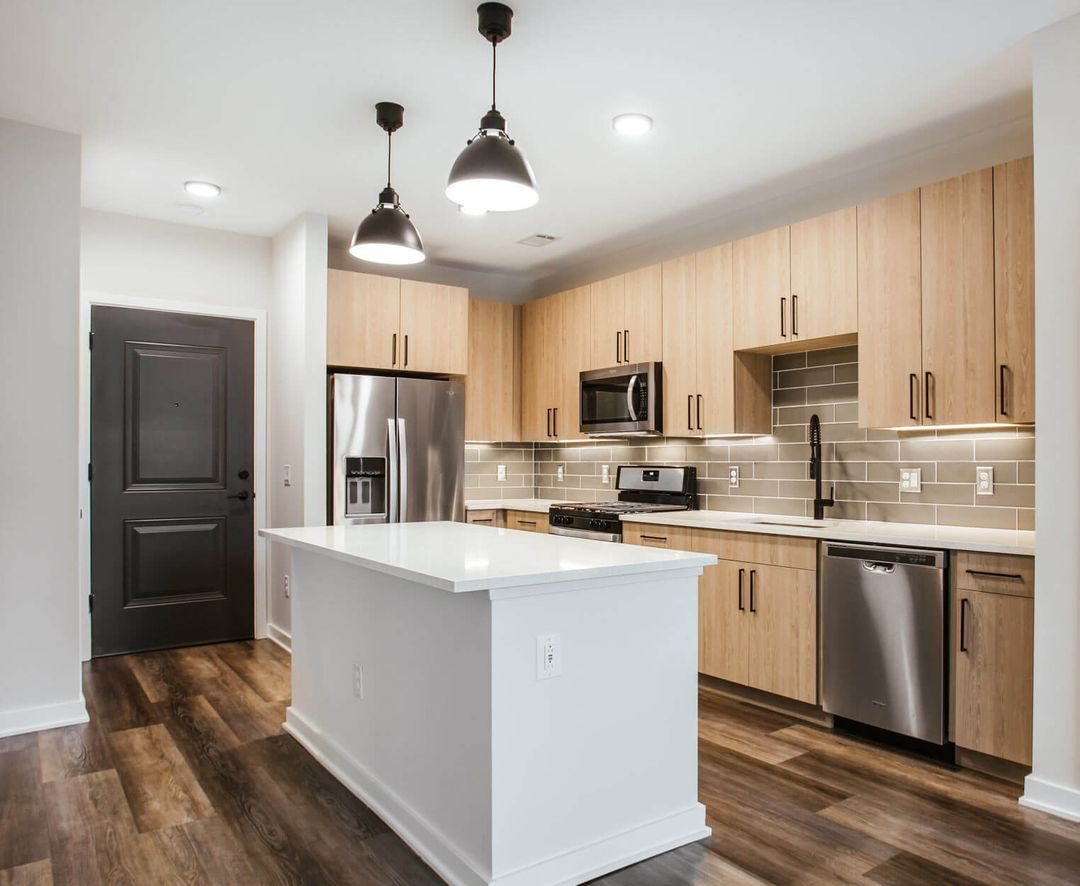
Pantry cabinets are deeper because they store bulk food, small appliances, and larger kitchen items.
Common pantry cabinet depths include:
- 12 inches for shallow pantry storage
- 18 inches for medium-depth storage
- 24 inches for full-depth pantry cabinets
The right depth depends on kitchen layout and storage needs. Shallower pantry cabinets improve visibility and access, while deeper pantry cabinets maximize storage volume.
Many modern kitchens combine adjustable shelving with pull-out organizers to prevent items from getting lost in deeper cabinets.
Clearances That Matter in Kitchen Layout
Knowing how deep are standard kitchen cabinets is only part of the equation. Proper clearances ensure a kitchen remains comfortable and functional.
Walkways between opposing cabinets should typically measure 36 to 42 inches. This allows one person to move comfortably while cooking.
For kitchens with multiple cooks, 42 to 48 inches is often recommended.
The distance between upper cabinets and countertops is usually 18 inches, which provides enough room for countertop appliances while maintaining ergonomic reach.
Appliance clearances also play a role. Dishwashers require enough space to open fully without blocking walkways, while refrigerators need door swing clearance.
Ignoring these details can create cramped layouts even if cabinet dimensions are technically correct.
Why Cabinet Depth Standards Exist
Standard cabinet depths are not random. They are designed around appliance sizes, countertop materials, and ergonomic reach.
Most major appliances are manufactured to align with 24-inch base cabinet depth. Countertop slabs are also commonly sized to accommodate this measurement.
These industry standards simplify installation and ensure components fit together properly.
When homeowners ask how deep are kitchen cabinets, they are really asking how cabinets integrate with the rest of the kitchen.
When Custom Depth Cabinets Make Sense
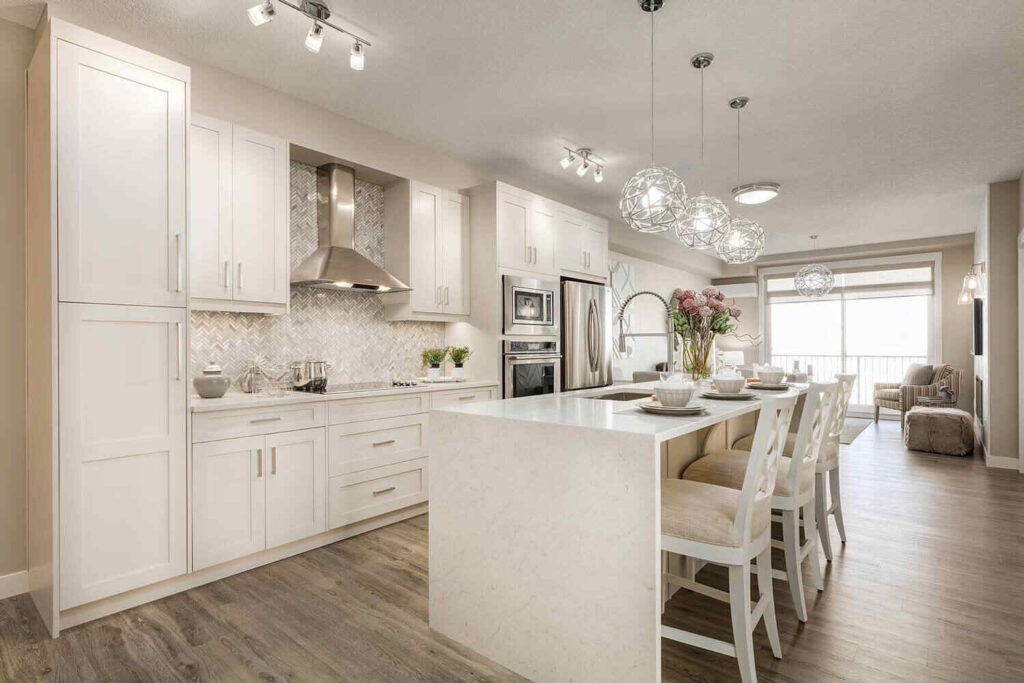
While standard depths work in most kitchens, custom cabinetry can adjust dimensions when necessary.
Shallower base cabinets may be used in compact kitchens to improve walkway space. Deeper pantry cabinets can increase storage in larger kitchens.
Custom cabinetry can also accommodate specialty appliances, oversized cookware storage, or unique kitchen layouts.
However, deviating from standard cabinet depth requires careful planning to ensure appliances, countertops, and hardware still fit correctly.
If you are upgrading cabinetry as part of a larger kitchen update, understanding whether to refinish or replace cabinets can help guide the decision.
Planning Your Kitchen with the Right Cabinet Depth
Understanding how deep are standard kitchen cabinets helps homeowners evaluate kitchen designs more confidently. Cabinet depth influences storage capacity, appliance fit, and everyday workflow.
Base cabinets at 24 inches, upper cabinets at 12 inches, and pantry cabinets between 12 and 24 inches form the foundation of most kitchen layouts.
When paired with proper clearances and thoughtful storage planning, these measurements create kitchens that feel balanced, functional, and comfortable to use.
Cabinet depth works alongside finish and colour choices, which you can explore in our Cabinet Finishes & Colours guide.
Careful cabinet planning ensures that the finished kitchen not only looks good but also works efficiently for daily cooking, storage, and movement.
Planning a new kitchen layout? Connect with Zen Living to design cabinetry that balances smart storage, precise dimensions, and long-term functionality.