
Article Overview
Choosing between prefab and custom cabinetry is one of the most important decisions in any kitchen or bathroom project. This article compares custom vs prefabricated cabinets by examining differences in sizing flexibility, material quality, storage customization, lead times, installation coordination, and long-term durability. It helps homeowners understand how design goals, space constraints, and finish expectations influence which option delivers better long-term value.
When planning cabinetry, many homeowners start by comparing custom vs prefab cabinets. At first glance, prefab options appear more convenient and cost-effective, while custom cabinetry is often associated with higher investment.
However, the real difference comes down to how the cabinets fit your space, how they perform over time, and how well they support your daily use.
Understanding what you gain and what you give up with each option helps you make a decision that aligns with your goals.
What Are Prefabricated Cabinets
Prefabricated cabinets are manufactured in standard sizes and configurations. They are designed to fit most common kitchen and bathroom layouts without requiring customization.
These cabinets are typically produced in bulk, which helps reduce production costs and shorten lead times. They are often available more quickly and can be installed with minimal design adjustments.
Prefab cabinets work best in straightforward layouts where standard sizing fits the space without significant modification.
What Are Custom Cabinets
Custom cabinets are built specifically for your space, allowing for full control over dimensions, materials, finishes, and internal storage features.
Unlike prefab options, custom cabinetry is designed around how the space will be used. This allows for better optimization of storage, improved layout efficiency, and a more integrated final look.
Custom cabinetry is particularly valuable in homes with unique layouts, tight spaces, or specific storage needs.
Sizing Flexibility and Space Efficiency
One of the biggest differences in custom vs prefabricated cabinets is sizing.
Prefab cabinets are limited to standard widths, heights, and depths. This can result in filler panels, wasted space, or awkward gaps when the layout does not perfectly match cabinet dimensions.
Custom cabinets eliminate these limitations by fitting precisely within the available space. Every inch can be used effectively, which improves both storage capacity and overall design flow.
Cabinet depth also plays a role in how efficiently space is used, especially in kitchens and storage-heavy areas, as outlined in Cabinet Depth Guide: Base, Upper, Pantry & Clearances That Matter.
Material Quality and Construction
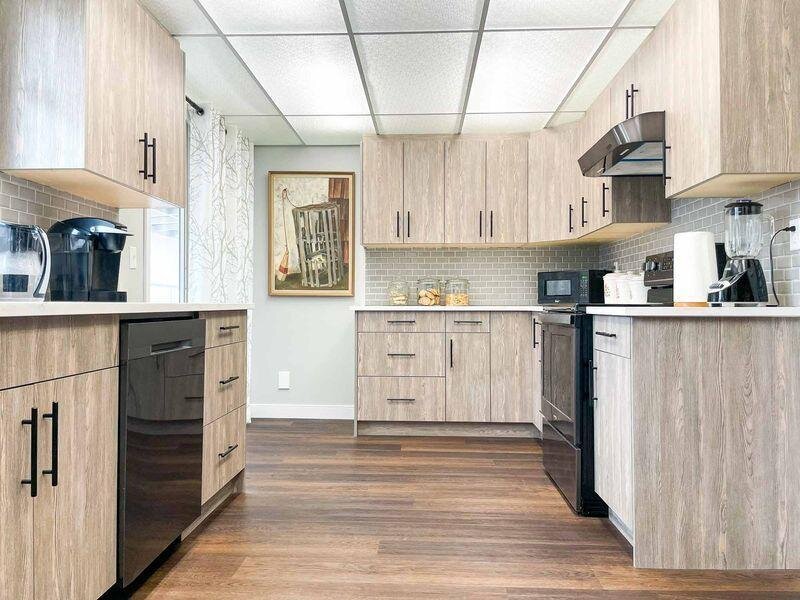
Material quality varies significantly between prefab and custom cabinetry.
Prefab cabinets often use standardized materials and construction methods designed for mass production. While many options are durable, they may not offer the same level of consistency or long-term performance as custom builds.
Custom cabinets allow for greater control over material selection, joinery, and finish application. This typically results in stronger construction and longer lifespan.
Higher-quality materials also improve resistance to wear, moisture, and daily use.
Storage Customization and Functionality
Storage is where custom cabinetry delivers the most noticeable advantage.
Prefab cabinets provide basic storage solutions, but they may not accommodate specific needs such as oversized cookware, vertical storage, or specialized organization.
Custom cabinets can include built-in organizers, pull-out systems, and tailored compartments designed for how the homeowner uses the space.
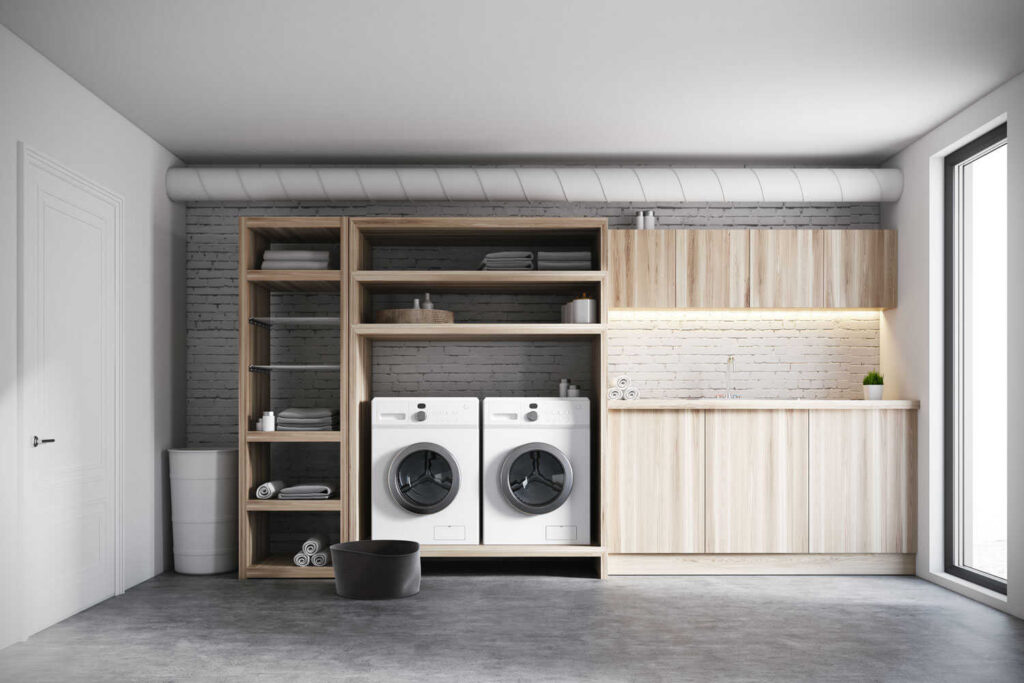
For example, optimizing storage is especially important in high-use areas like laundry rooms, where efficient layouts are critical, as shown in 10 Laundry Room Cabinet Upgrades That Add Storage Fast.
Lead Times and Project Scheduling
Prefab cabinets are typically available faster because they are pre-manufactured in standard sizes.
Custom cabinetry requires design approval, production time, and scheduling coordination. This results in longer lead times but allows for more detailed planning and customization.
Understanding timelines is important when planning a renovation, especially if project scheduling is a priority, which is explained further in How Long Do Zen Cabinets Take? Lead Times, Scheduling, and What to Expect.
Installation and Coordination
Prefab cabinets are generally easier to install because they follow standardized dimensions. However, adjustments may still be needed to account for uneven walls or layout inconsistencies.
Custom cabinets are designed for the exact space, which often simplifies installation and creates a more seamless final result. Fewer adjustments are required because the cabinetry is built to fit precisely.
This results in cleaner lines and better alignment throughout the space.
Long-Term Durability and Value
When comparing custom vs prefab cabinets, long-term durability is a key consideration.
Prefab cabinets may meet short-term needs, but they can show wear sooner depending on material quality and construction.
Custom cabinets are typically built with durability in mind. Stronger materials, better finishes, and precise construction contribute to a longer lifespan.
Over time, this can reduce the need for repairs or replacement, improving overall value.
When Prefab Cabinets Make Sense
Prefab cabinets can be a practical choice in certain situations.
They work well for budget-conscious projects, quick timelines, or spaces where standard dimensions fit without compromise.
For smaller renovations or temporary solutions, prefab cabinetry can provide functional storage without extended planning or production time.
When Custom Cabinets Are the Better Investment
Custom cabinets are the better option when layout efficiency, storage optimization, and long-term durability are priorities.
They are especially valuable in kitchens, bathrooms, and mudrooms where every inch of space matters. Custom cabinetry ensures the design supports daily routines rather than forcing homeowners to adapt to standard configurations.
They also provide greater flexibility in finishes, allowing homeowners to match cabinetry with overall design goals.
Choosing the Right Option for Your Home
The decision between custom vs prefabricated cabinets depends on your space, budget, and long-term expectations.
Prefab cabinets offer convenience and speed. Custom cabinets provide precision, durability, and tailored functionality.
Understanding these trade-offs helps homeowners choose the option that aligns with both their immediate needs and future plans.
If you’re planning cabinetry for your home and want a solution designed around your space and lifestyle, Zen Living can help you create custom cabinetry that delivers long-term value and performance.