
Article Overview
Kitchen renovation costs vary widely depending on design choices, cabinetry scope, materials, and project complexity. This article explains how much are kitchen renovations in 2026 by outlining the key factors that influence overall investment, including custom cabinetry, storage features, material upgrades, countertop selection, hardware, and project coordination. It helps homeowners understand where costs increase and where value can be optimized without relying on fixed price estimates.
Kitchen renovations are one of the most impactful upgrades a homeowner can make, but they are also one of the most complex. Many homeowners begin by asking how much do kitchen renovations cost, only to realize that the answer depends entirely on design decisions and project scope.
Rather than focusing on fixed numbers, it is more useful to understand what drives cost and how different choices affect the overall investment.
What Drives Kitchen Renovation Costs
The biggest factor influencing kitchen renovation cost is scope. A cosmetic update that keeps the existing layout will cost significantly less than a full redesign that involves moving walls, plumbing, or electrical.
Cabinetry typically represents one of the largest portions of the budget. The size of the kitchen, number of cabinets, and level of customization all contribute to cost.
Material selection is another major factor. Countertops, cabinet finishes, and hardware all influence both price and long-term performance.
Understanding these elements helps answer the question of how much are kitchen renovations in a more practical way.
Cabinetry Scope and Customization
Cabinetry plays a central role in both cost and functionality. Standard cabinet layouts may reduce upfront investment, but they often limit storage efficiency and design flexibility.
Custom cabinetry allows homeowners to maximize space, improve organization, and tailor the kitchen to their specific needs. Features such as pull-out storage, deep drawers, and integrated organizers improve usability but also increase cost.
Choosing between standard and custom cabinetry is one of the most important decisions when evaluating how much do kitchen renovations cost.
For a deeper comparison, understanding the trade-offs between cabinet types is helpful, as explained in Prefab vs Custom Cabinets: What You Gain (and What You Give Up).
Storage Features That Add Value
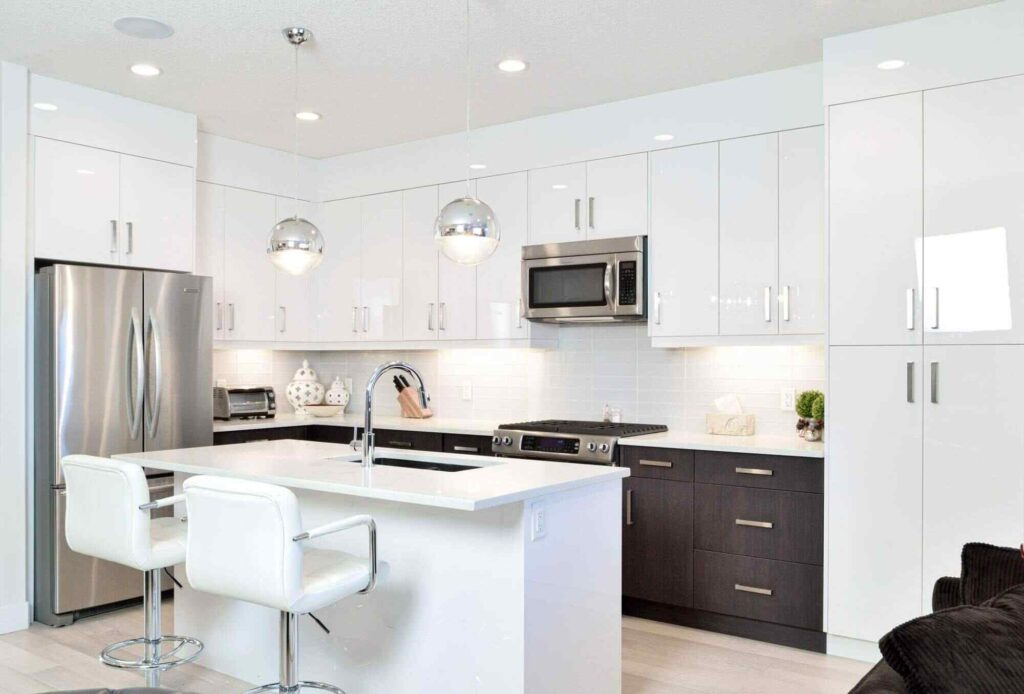
Modern kitchens are designed around storage efficiency as much as appearance.
Features such as drawer organizers, vertical tray storage, pull-out shelving, and hidden compartments improve how the kitchen functions daily. These additions increase both convenience and cost.
While these features require additional investment, they often deliver long-term value by improving usability and reducing clutter.
Material and Finish Selection
Material choices have a significant impact on both cost and durability.
Cabinet finishes, countertops, and hardware all contribute to the final look of the kitchen. Higher-quality materials typically offer better resistance to wear and moisture but come at a higher upfront cost.
Selecting materials based on how the kitchen will be used ensures better long-term results.
Countertops and Surface Upgrades
Countertops are a key design element and cost factor in kitchen renovations.
Material choice, thickness, edge profile, and fabrication complexity all influence pricing. Integrated features such as backsplashes or custom cutouts can also increase costs.
Choosing the right surface also depends on durability, finish, and design preferences, which we break down in detail in our guide on How To Choose Quartz Countertops.
Hardware and Finishing Details
Smaller details such as cabinet hardware can have a noticeable impact on both cost and overall design.
Handles, knobs, and specialty hardware vary in price depending on material, finish, and design complexity. While hardware represents a smaller portion of the total budget, it contributes significantly to the final look of the kitchen.
Proper placement and selection also affect usability, which is why it is important to consider details like alignment and proportion, as explained in Where to Put Knobs and Handles on Kitchen Cabinets.
Layout Changes and Design Complexity
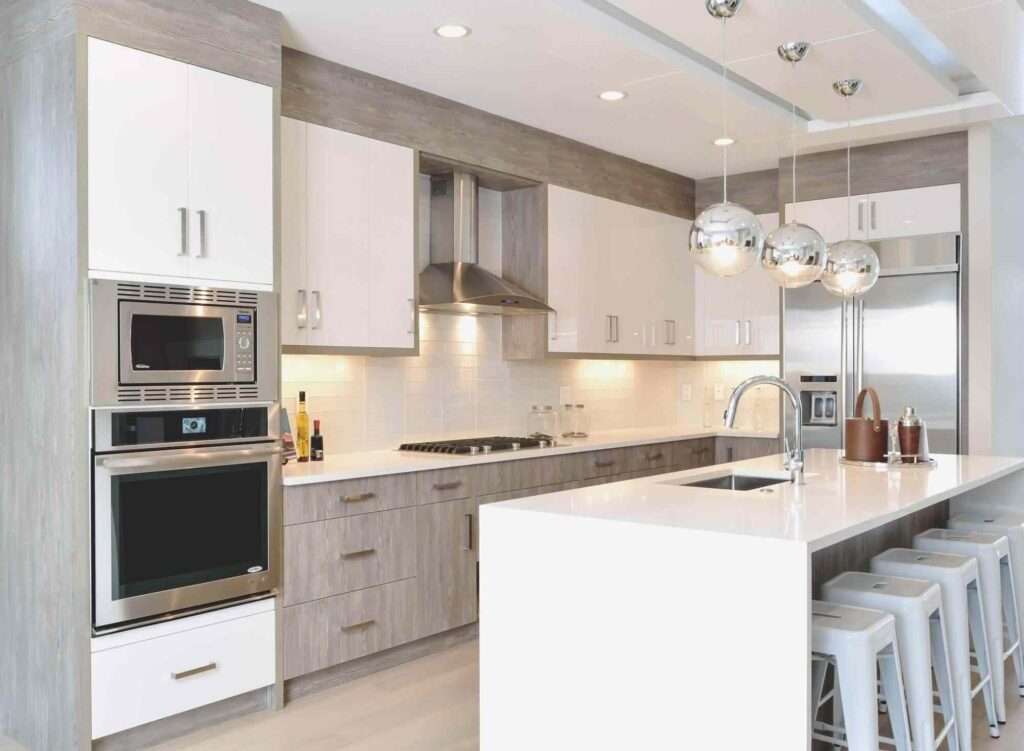
Layout changes are one of the most significant cost drivers in kitchen renovations.
Moving plumbing, electrical, or structural elements increases both labour and coordination requirements. While these changes can improve functionality, they also add complexity to the project.
Keeping the existing layout is often one of the most effective ways to control costs while still achieving a modernized look.
Cabinet Production and Project Timelines
Production timelines also play a role in overall cost and project planning.
Custom cabinetry requires design approval, manufacturing, and delivery before installation can begin. This adds time but allows for greater customization and precision.
Understanding production timelines helps homeowners plan their renovation more effectively.
Installation and Coordination
Installation complexity affects both cost and timeline.
Projects that involve custom cabinetry, tight spaces, or integrated features require more precise installation and coordination between trades.
Simpler projects with fewer variables are easier to manage and complete more efficiently.
Understanding these factors helps explain why two kitchens of similar size can have very different costs.
Where Homeowners Can Optimize Value
Not every upgrade delivers the same return. Focusing on the elements that improve daily use and long-term durability often provides the best value.
Investing in cabinetry, storage features, and durable materials typically delivers stronger results than purely cosmetic upgrades.
Balancing design goals with practical use helps homeowners make informed decisions about where to invest.
Planning a Kitchen Renovation That Makes Sense
Understanding how much are kitchen renovations requires looking beyond surface-level upgrades. Cabinetry, materials, layout decisions, and project coordination all influence the final investment.
By focusing on functionality, durability, and thoughtful design, homeowners can create a kitchen that performs well over time.
If you’re planning a kitchen upgrade and want cabinetry designed to maximize storage, efficiency, and long-term value, Zen Living can help you bring your vision together.