

Article Overview
Custom cabinetry offers greater flexibility in sizing, finishes, storage, and layout, but it does not always have to involve an extended project timeline. This article explains what influences fast turnaround custom cabinets in Calgary, including design complexity, material selections, measurements, approvals, production planning, and communication with the manufacturer. It also outlines how earlier decisions and local production can help renovators maintain greater customization while reducing avoidable delays between cabinet design, manufacturing, and installation.
Custom cabinetry is often associated with long lead times because each project requires more planning than a standard off-the-shelf order. However, customization itself is only one part of the timeline. The speed of the process also depends on how quickly project details are confirmed and how efficiently an order moves from design into manufacturing.
For renovators looking for fast turnaround custom cabinets in Calgary, understanding which decisions affect production can make it easier to balance design flexibility with the construction schedule.
Does Custom Cabinetry Always Take Longer?
Custom cabinets require project-specific planning, but that does not mean every custom order follows an unusually long timeline. Lead time can vary depending on the amount of customization, material requirements, order complexity, manufacturing workload, and how quickly the project reaches final approval.
The distinction between custom and prefabricated cabinetry is also important when setting timeline expectations. Zen Living’s Custom vs. Prefab Cabinets guide explains how sizing flexibility, storage options, materials, and production requirements differ between the two approaches. Reviewing those differences early can help determine where customization is most valuable and where a more standardized solution may help simplify the project.
The goal is not necessarily to remove customization. It is to make decisions early enough that customization does not create avoidable revisions once the order is being prepared.
Final Measurements Give Production a Clear Starting Point
Accurate measurements are essential before custom cabinetry can move confidently into manufacturing. The layout needs to account for actual wall dimensions, openings, appliances, fillers, panels, clearances, and other site conditions.
Consider a kitchen where the cabinet layout has been developed but the range specifications have not been confirmed. If the final appliance requires different clearances, surrounding cabinets may need to be resized. Revised drawings and another approval may then be required before manufacturing can proceed.
Fixtures that interact directly with cabinetry should also be confirmed early. Reviewing available kitchen sink options before the sink base is finalized can help ensure the cabinet configuration reflects the selected fixture rather than requiring adjustments later.
Confirming dimensions, appliance specifications, and fixture requirements earlier gives the design a more stable foundation and reduces the chance of changes interrupting the order.
How Do Material and Hardware Choices Affect Lead Times?
Materials, finishes, and hardware can influence production requirements, particularly when selections change late in the process. Door style, colour, handles, pulls, and other visible details should ideally be confirmed before the order is released.
Our guide to choosing kitchen cabinet hardware explains the factors involved in selecting handles, knobs, and hardware finishes. Reviewing these details earlier can help reduce last-minute specification changes once the cabinetry is ready to move forward.
Customization becomes easier to manage when selections are treated as part of project planning rather than decisions that remain open until manufacturing is ready to begin.
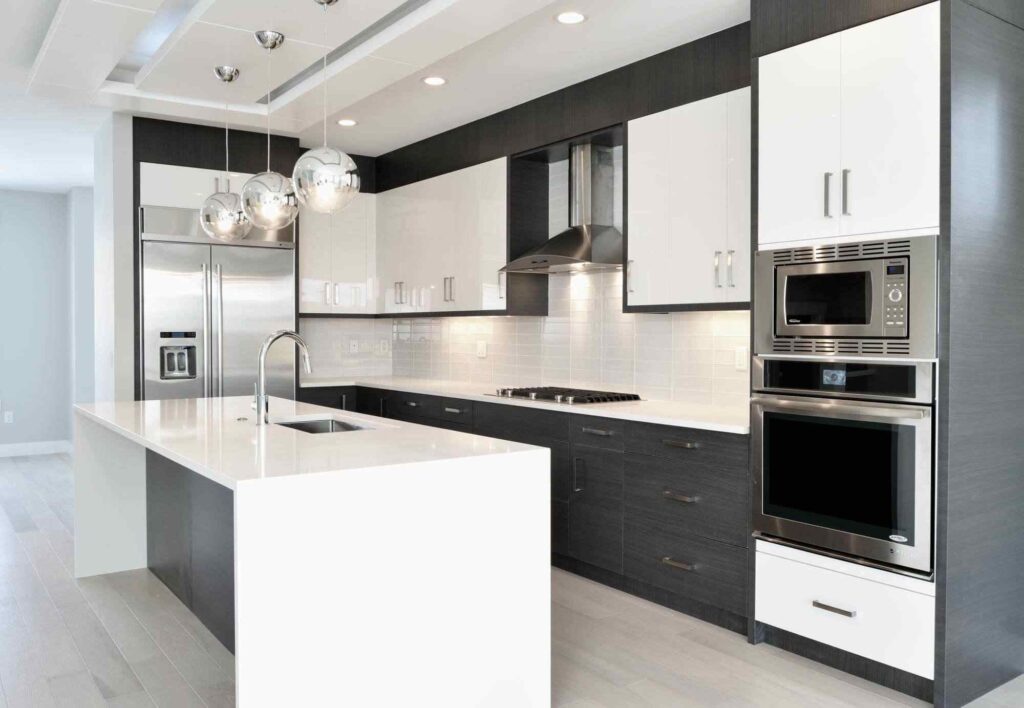
Faster Approvals Help Keep the Order Moving
An approved cabinet design provides the manufacturer with the information required to proceed. When drawings or specifications remain under review, the order may not be ready to enter the next stage.
This makes client decision-making an important part of lead-time planning. Establishing clear approval dates and identifying who has authority to sign off can prevent drawings from remaining unresolved longer than necessary.
Late changes should also be considered carefully. Adjusting a cabinet dimension, hardware choice, or finish after approval may appear minor, but it can require revised documentation or changes to manufacturing instructions.
Local Production Can Improve Communication
Working with a local manufacturer can make it easier to communicate about specifications, approvals, and production questions as a project progresses. For Calgary renovations, having manufacturing support within the local market can reduce some of the communication layers associated with sourcing cabinetry from more distant suppliers.
Local manufacturing does not guarantee the same turnaround for every order. Project complexity, materials, current workload, and other production requirements still need to be considered.
What it can provide is a more direct line of communication when information needs clarification, which can help keep cabinetry aligned with the rest of the renovation schedule.
Production Timelines Need to Be Planned With the Project
The cabinet schedule should be established early enough to coordinate installation with the work that comes before and after it. Demolition, flooring, electrical work, countertop templating, plumbing, and appliance installation may all depend on cabinetry reaching specific milestones.
Read our article How Long Do Zen Cabinets Take? Lead Times, Scheduling, and What to Expect for additional context on the factors that influence manufacturing schedules and when cabinetry can move from approval into production. Reviewing lead-time expectations earlier can help establish more realistic cabinet milestones and make it easier to coordinate installation with the trades that follow.
Cabinet installation also affects when countertops can be measured and fabricated. Reviewing kitchen countertop options during the planning stage can help ensure surface selections and fabrication requirements are considered alongside the cabinetry schedule rather than after installation.
Rather than assuming custom cabinets will take too long, it is more effective to confirm manufacturing expectations early and build them into the construction sequence.
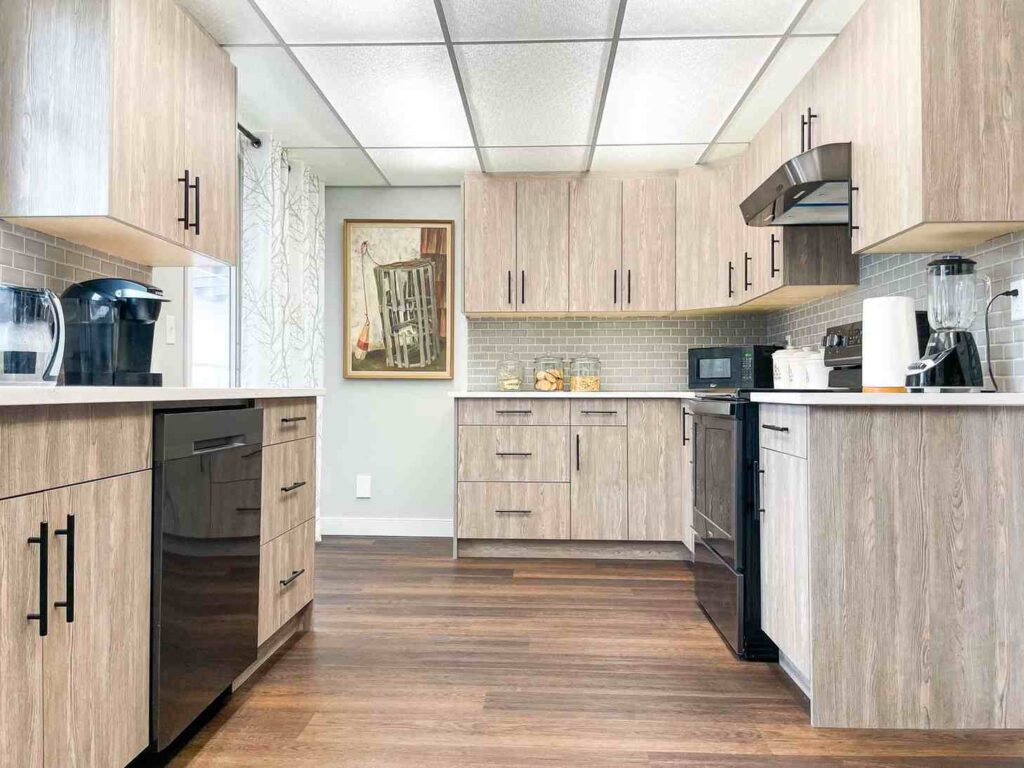
Balancing Customization With a More Efficient Timeline
Achieving a faster custom cabinet process depends on making the right decisions at the right stage. Complete measurements, finalized selections, prompt approvals, and clear communication give manufacturing a stable set of specifications to work from.
For renovation teams, this makes it possible to preserve the benefits of custom cabinetry while reducing delays caused by incomplete information or late changes. Local production can further support the process by making communication more direct throughout ordering and manufacturing.
If you are planning a renovation and need cabinetry that balances customization with project scheduling, contact Zen Living to discuss your cabinet requirements, selections, and anticipated timeline.