

Article Overview
Cabinet ordering mistakes can create delays that extend well beyond installation. Incorrect measurements, missing fillers or panels, late design changes, incomplete approvals, and overlooked accessories can lead to reorders, additional site visits, and scheduling disruptions for the projects that follow. This article explains five preventable mistakes and how contractors can reduce risk before an order reaches production. By reviewing specifications carefully and resolving key decisions earlier, renovation teams can protect project timelines, reduce avoidable downtime, and make cabinet installation more predictable.
Errors made during cabinetry ordering can create problems that surface only once installation is underway. An overlooked dimension, missing component, or incorrect specification can force the installer to stop, trigger a reorder, and create avoidable downtime while the issue is corrected.
For contractors and renovators, the objective is not simply to submit an order quickly. The final specifications need to reflect actual site conditions, approved design decisions, and every component required for installation. A more disciplined ordering process can also reduce callbacks, replacement parts, and lost labour time once work begins.
1. Incorrect Measurements Can Trigger Reorders
Accurate site measurements are the foundation of a reliable cabinet order. Wall dimensions, openings, appliance clearances, fillers, panels, and other site conditions all need to be reflected in the approved layout.
Our guide to standard kitchen cabinet depth explains common base, upper, and pantry dimensions, along with important clearance considerations. Reviewing these dimensions can help contractors confirm whether a proposed layout is practical before specifications are released.
Consider a renovation where a refrigerator opening is measured before the final appliance model is selected. If the chosen refrigerator later requires additional clearance, the surrounding cabinetry may need to be revised. That can lead to updated drawings, another approval cycle, and a later start to production. Confirming appliance specifications alongside site measurements helps reduce the risk of this type of avoidable revision.
2. Why Do Missing Fillers and Panels Cause Problems?
A cabinet order can be dimensionally correct and still be incomplete. Fillers, finished panels, gables, mouldings, and similar components may be essential to completing the installation as intended.
A missing filler beside a wall, for example, can prevent doors or drawers from operating properly and leave the installer unable to finish the cabinet run. Reviewing available kitchen cabinet options early can help renovation teams confirm the required configurations and supporting components before the order is finalized.
This review is especially useful on layouts with exposed cabinet ends, tight wall conditions, or multiple transitions, where small omissions can create larger installation problems.
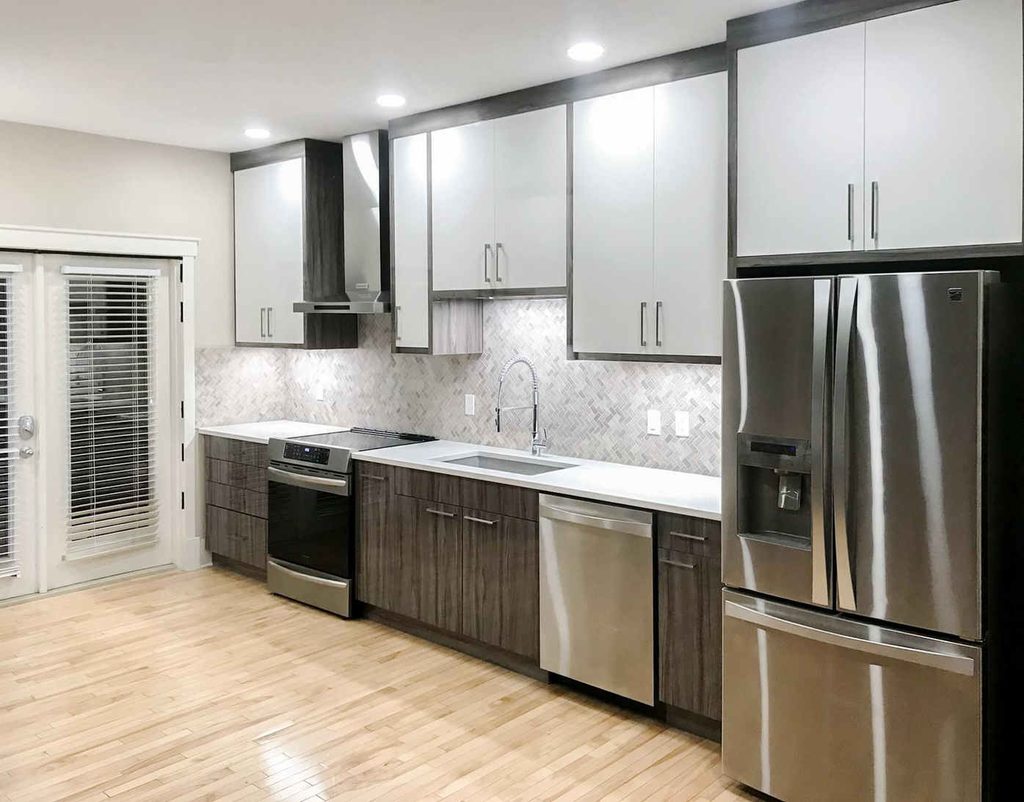
3. Late Design Changes Affect More Than the Drawings
Design changes become more disruptive once specifications are close to release. Moving an appliance, changing a cabinet width, selecting a different door style, or revising storage requirements may affect several related components.
Finalizing cabinet finishes and colours earlier can reduce the chance of last-minute revisions. Reviewing available options during the planning stage gives clients and project teams more time to make selections before manufacturing instructions are prepared.
Contractors can also benefit from establishing a clear cut-off for client changes. This helps protect the approved scope and reduces the likelihood of repeated revisions late in the process. A defined decision point can also make client communication clearer by setting expectations around when changes may begin to affect schedule or cost.
4. Incomplete Approvals Can Push Back Production
Cabinet production depends on finalized drawings and confirmed specifications. If approvals are still outstanding, the order may not be ready to move forward even when the planned installation date is approaching.
Our article How Long Do Zen Cabinets Take? Lead Times, Scheduling, and What To Expect outlines how design decisions, approvals, manufacturing, quality checks, and shipping each influence the overall timeline. Reviewing these stages can help contractors set more realistic approval deadlines and plan the cabinet schedule around the full process rather than the manufacturing window alone.
A documented approval process also helps clarify who has authority to sign off and when that decision is required. This becomes especially important when several stakeholders are involved, because unclear responsibility can leave drawings waiting for confirmation longer than expected.
5. Are Accessories and Hardware Being Overlooked?
Accessories and hardware may seem secondary to cabinet boxes and doors, but missing components can still interrupt installation or prevent the finished space from functioning as intended.
Handles, organizers, hinges, slides, and other cabinet accessories and hardware should be confirmed as part of the order rather than treated as a final detail. Reviewing these items during specification development helps installers arrive with a more complete scope and reduces the need for follow-up orders after installation has started.
This can also simplify site coordination because installers are less likely to pause work while waiting for components that could have been identified during the ordering stage.

Creating a More Reliable Cabinet Ordering Process
Reducing cabinet ordering mistakes comes down to creating a reliable pre-production review process. When measurements, selections, approvals, and required components are confirmed before release, contractors can reduce reorders, protect installation schedules, and make repeat projects easier to manage.
For teams handling multiple renovations, that consistency becomes increasingly valuable because estimating, ordering, and installation can follow a more repeatable process from one project to the next. A documented review checklist can also make handoffs between staff more efficient by ensuring that critical order details are checked before responsibility moves to the next stage.
If you are preparing cabinetry for an upcoming renovation, contact Zen Living to discuss your cabinet requirements, specifications, ordering process, and project schedule.