

Article Overview
Cabinet production timelines are influenced by more than just manufacturing capacity. This article explains what impacts cabinet production lead times, with a focus on design decisions, approval processes, and site readiness. By understanding how each stage affects scheduling, homeowners and builders can plan more accurately, avoid delays, and keep renovation or construction projects moving smoothly.
Cabinetry plays a central role in most kitchen, bathroom, and storage projects, and it often sets the pace for the rest of the renovation. When timelines slip, it is rarely due to a single issue. Instead, cabinet production lead times are shaped by several interconnected factors that begin well before manufacturing starts.
Understanding what impacts cabinet production lead times helps homeowners make informed decisions early, reducing uncertainty and preventing unnecessary delays once the project is underway.
What Are Cabinet Production Lead Times?
Cabinet production lead time refers to the total time between finalizing a cabinet design and receiving the finished product ready for installation. This timeline typically includes design development, approvals, manufacturing, quality checks, and shipping.
While many homeowners focus on the factory timeline alone, production lead times are influenced just as much by decisions made during planning and preparation.
How Design Choices Affect Cabinet Timelines
Design is one of the most significant factors impacting cabinet production lead times. Custom layouts, specialized storage solutions, and non-standard dimensions often require additional detailing before manufacturing can begin.
Selections such as door styles, finishes, interior organizers, and hardware must all be finalized before production is released. Changes made after initial drawings are prepared can reset timelines, especially if they affect cabinet sizing or material availability.
Clear decisions early in the design phase help ensure drawings are completed accurately and approved without repeated revisions.
Storage projects like walk-in closets also follow similar production timelines, especially when sizing, layouts, and approvals are involved, as outlined in our guide on How Big Should a Walk-In Closet Be?
The Role of Drawings and Client Approvals
Once design details are complete, cabinet drawings are prepared for review. This stage is critical, as production cannot begin until drawings are approved.
Delays often occur when approvals are postponed, revisions are requested late in the process, or measurements need to be reverified. Even small changes can require updated drawings and new sign-off, which pushes production start dates further out.
Prompt review and timely approvals help keep cabinet scheduling aligned with the overall project timeline.
Material Availability and Manufacturing Capacity
Cabinet production lead times can vary based on material availability and manufacturing demand. Certain finishes, door styles, or specialty components may have longer production windows depending on sourcing and order volume.
During peak renovation seasons, manufacturing capacity can also influence timelines. Planning ahead and confirming lead times early allows homeowners to align cabinet delivery with their desired installation date.
Why Site Readiness Matters More Than You Think
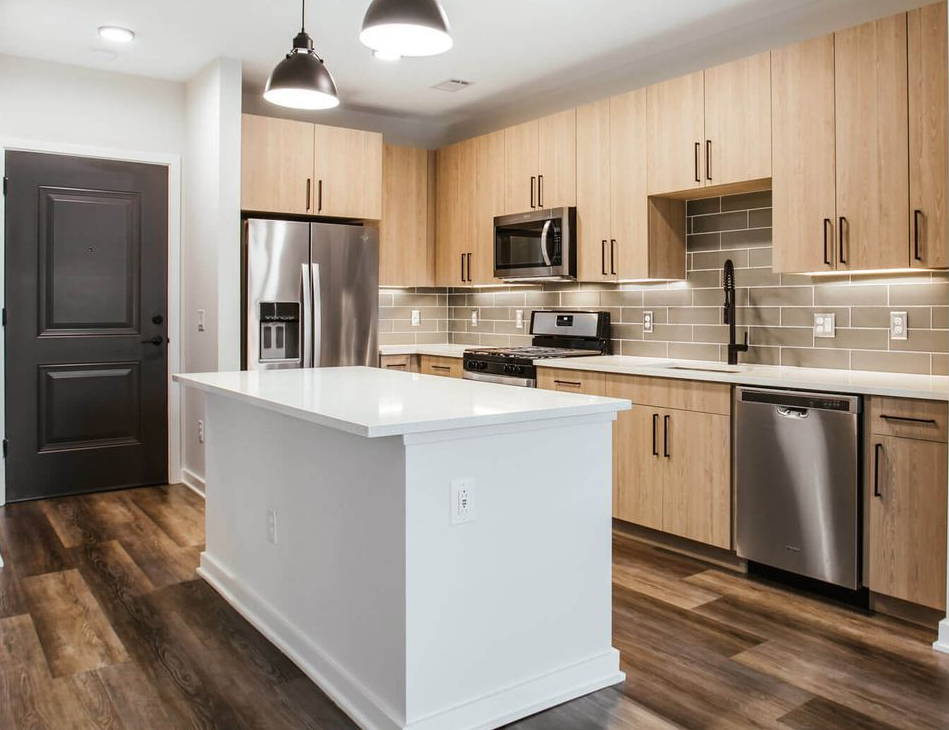
Site readiness is often overlooked but plays a major role in cabinet scheduling. Cabinets should not be delivered until the space is ready to receive them.
Factors that affect site readiness include completed framing, finished drywall, installed flooring where required, and accurate final measurements. If the site is not ready when cabinets arrive, installation may need to be delayed, potentially impacting warranty coverage or increasing storage costs.
Ensuring the site is fully prepared before scheduling delivery helps avoid unnecessary complications.
How Measurement Timing Impacts Scheduling
Final measurements are typically taken once structural and drywall work is complete. Measuring too early can result in inaccuracies, while measuring too late can delay production release.
Coordinating measurement timing with site progress ensures cabinets are manufactured to precise dimensions and arrive when installation can proceed smoothly.
Coordinating Cabinet Timelines With Other Trades
Cabinet installation often needs to align with electrical, plumbing, and countertop schedules. Delays in cabinetry can create a ripple effect across multiple trades, impacting the overall project timeline.
Clear communication between designers, contractors, and homeowners helps ensure cabinets are delivered and installed at the right stage of the build.
Countertop templating and installation are closely tied to cabinet completion, making early material selection important, especially when planning surfaces like quartz, as outlined in our guide on How to Choose Quartz Countertops.
How to Avoid Common Cabinet Scheduling Delays
While not every delay can be avoided, many scheduling issues stem from preventable causes. The most effective ways to keep cabinet production on track include finalizing design decisions early, reviewing drawings promptly, confirming material availability, and ensuring the site is fully ready before delivery.
Proactive planning and clear communication reduce last-minute changes and help maintain predictable timelines.
Cabinet production lead times are influenced by a combination of design complexity, approval timing, manufacturing factors, and site readiness. Understanding how each stage impacts scheduling allows homeowners to plan realistically and avoid unnecessary delays.
At Zen Living, cabinet timelines are managed with a focus on coordination, accuracy, and transparency. By guiding clients through design decisions, approvals, and site preparation, projects are better positioned to stay on schedule and deliver a smooth installation experience.
If you are planning a renovation or new build and want clear guidance on cabinet production timelines, Zen Living can help you plan with confidence from design through installation.