
Article Overview
Cabinet upgrades can significantly change the look and function of a kitchen, but homeowners often struggle to decide between refinishing and replacing. This article explains how to refinish kitchen cabinets, what the process involves, how it compares to full replacement, and what impacts long-term value. It outlines cost drivers, timelines, durability expectations, and when refinishing makes sense versus investing in new cabinetry.
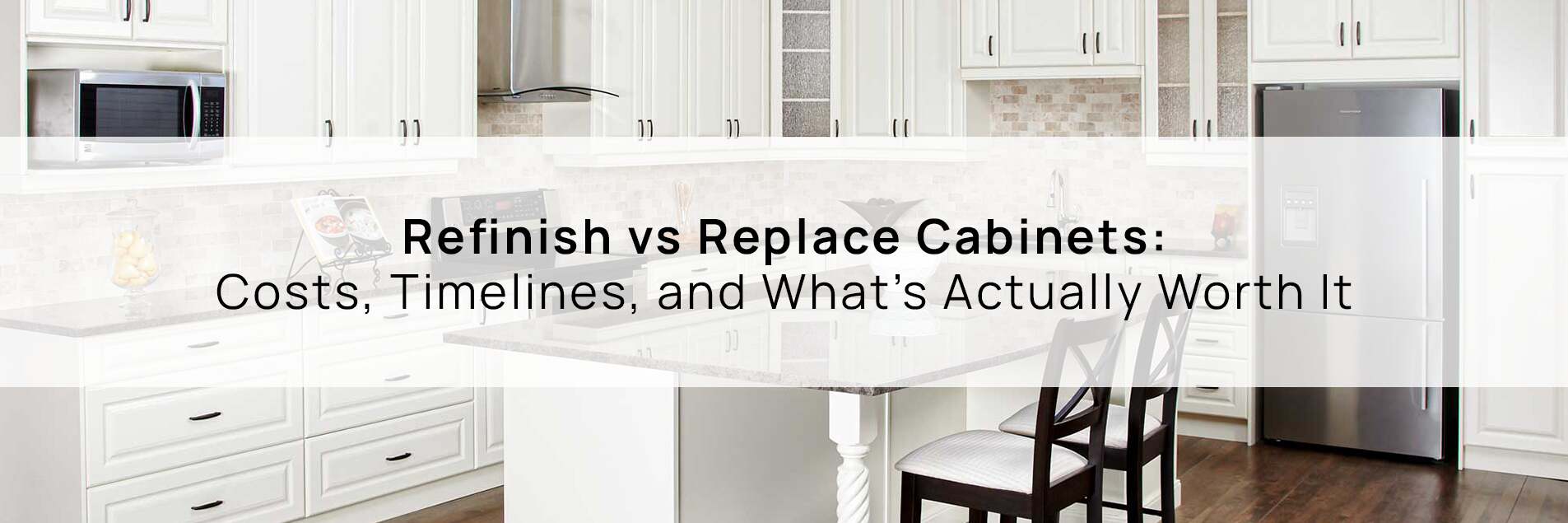
Cabinets define the structure and appearance of a kitchen. When they begin to look dated or worn, many homeowners immediately start researching how to refinish kitchen cabinets as a more affordable alternative to replacement. While refinishing can work in certain situations, it is not always the most practical long-term solution.
Understanding the differences in cost, timeline, durability, and functionality helps determine which option truly delivers better value.
What It Actually Means to Refinish Kitchen Cabinets
To refinish kitchen cabinets typically means sanding down the existing surface, repairing minor damage, applying new stain or paint, and sealing the finish. In some cases, doors and drawer fronts are removed and sprayed off-site, while cabinet boxes are refinished in place.
Refinishing does not change the cabinet layout, box construction, or internal storage features. It strictly updates the visible finish. If the cabinet structure is solid and the layout works well, refinishing can refresh the space without altering functionality.
However, if cabinets are structurally weak, warped, or poorly constructed, refinishing only addresses surface appearance.
Cost Considerations: Surface Upgrade vs Structural Investment
Refinishing is often assumed to cost less upfront than full cabinet replacement, but depending on the materials involved, expenses can add up quickly, especially when accounting for additional components such as fillers, panels, gables, and other finishing elements. Labour is focused on surface preparation and finishing rather than full installation.
Replacing cabinets involves new materials, updated hardware, installation labour, and potentially minor adjustments to plumbing or electrical. While the initial investment is higher, replacement also delivers brand-new cabinet boxes, updated construction standards, and improved storage options.
When comparing refinish kitchen cabinets projects to full replacement, it is important to consider lifespan and long-term durability rather than upfront cost alone.
Timeline Differences
Refinishing can often be completed more quickly than full replacement. Depending on kitchen size and finish type, refinishing may take several days to a few weeks, particularly if on-site curing time is required.
Cabinet replacement involves design approval, production lead times, delivery, and installation. While this extends the overall timeline, it also provides an opportunity to correct layout inefficiencies, improve workflow, and integrate modern storage features. For a clearer breakdown of production timelines and what to expect during scheduling, our guide on How Long Zen Cabinets Take explains each phase in more detail.
If speed is the primary concern and the layout works well, refinishing may appear attractive. If structural improvement is the goal, replacement justifies the additional time.
Durability and Expected Lifespan
The longevity of refinished cabinets depends heavily on the condition of the original cabinet boxes and the quality of preparation. Poor adhesion, inadequate sanding, or low-quality coatings can lead to chipping or peeling over time.
New cabinetry offers consistent factory finishes, updated materials, and modern construction methods. Solid cabinet boxes, soft-close hardware, and improved joinery contribute to a longer service life.
If the goal is a long-term upgrade, replacement often provides greater reliability and performance.
When Refinishing Makes Sense
Refinishing may be appropriate when cabinet boxes are structurally sound, the layout is functional, and only the finish feels outdated. It can also be suitable for homeowners planning to sell soon and seeking cosmetic improvement rather than structural change. However, if your goal is to maximize resale value before listing, replacing cabinets is often the stronger investment, as buyers tend to respond more positively to updated layouts, modern storage features, and brand-new construction rather than surface-level cosmetic changes.
Homes with high-quality existing cabinetry but dated stain colours are often good candidates for refinishing. In these cases, how to refinish kitchen cabinets becomes a practical and efficient solution.
When Replacing Cabinets Is the Better Choice
Replacement becomes the smarter investment when cabinets show structural wear, drawers stick, hinges fail, or storage is inefficient. It is also ideal when homeowners want to reconfigure layout, increase storage capacity, or upgrade materials.
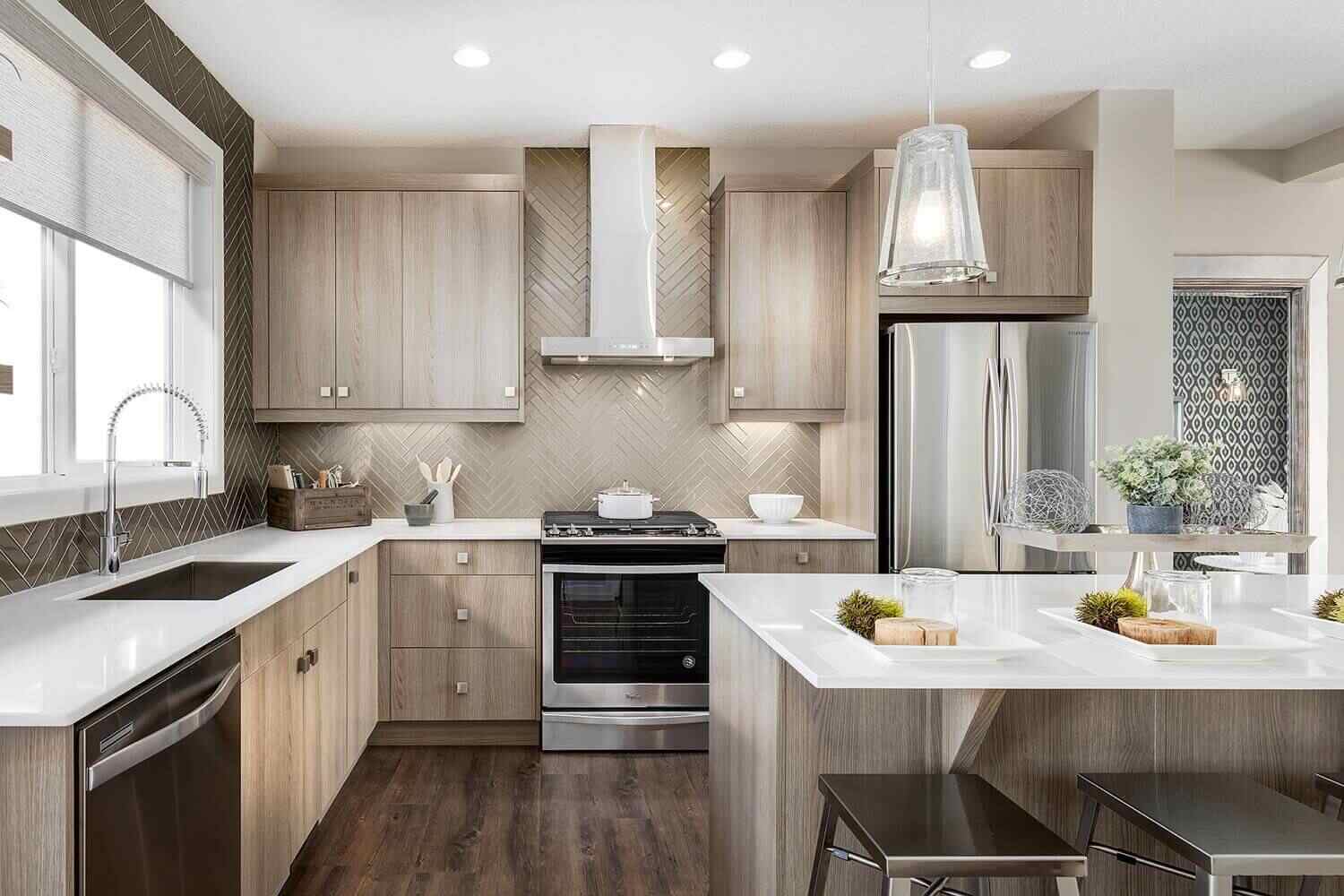
If you’re considering a full update, exploring contemporary kitchen cabinets can help you achieve a sleek, modern look that complements upgraded layouts and storage features.
Replacing cabinets allows integration of pull-out organizers, deeper drawers, improved shelving, and better workflow design. These functional improvements often deliver more daily value than surface refinishing alone.
Storage and Functionality: The Overlooked Factor
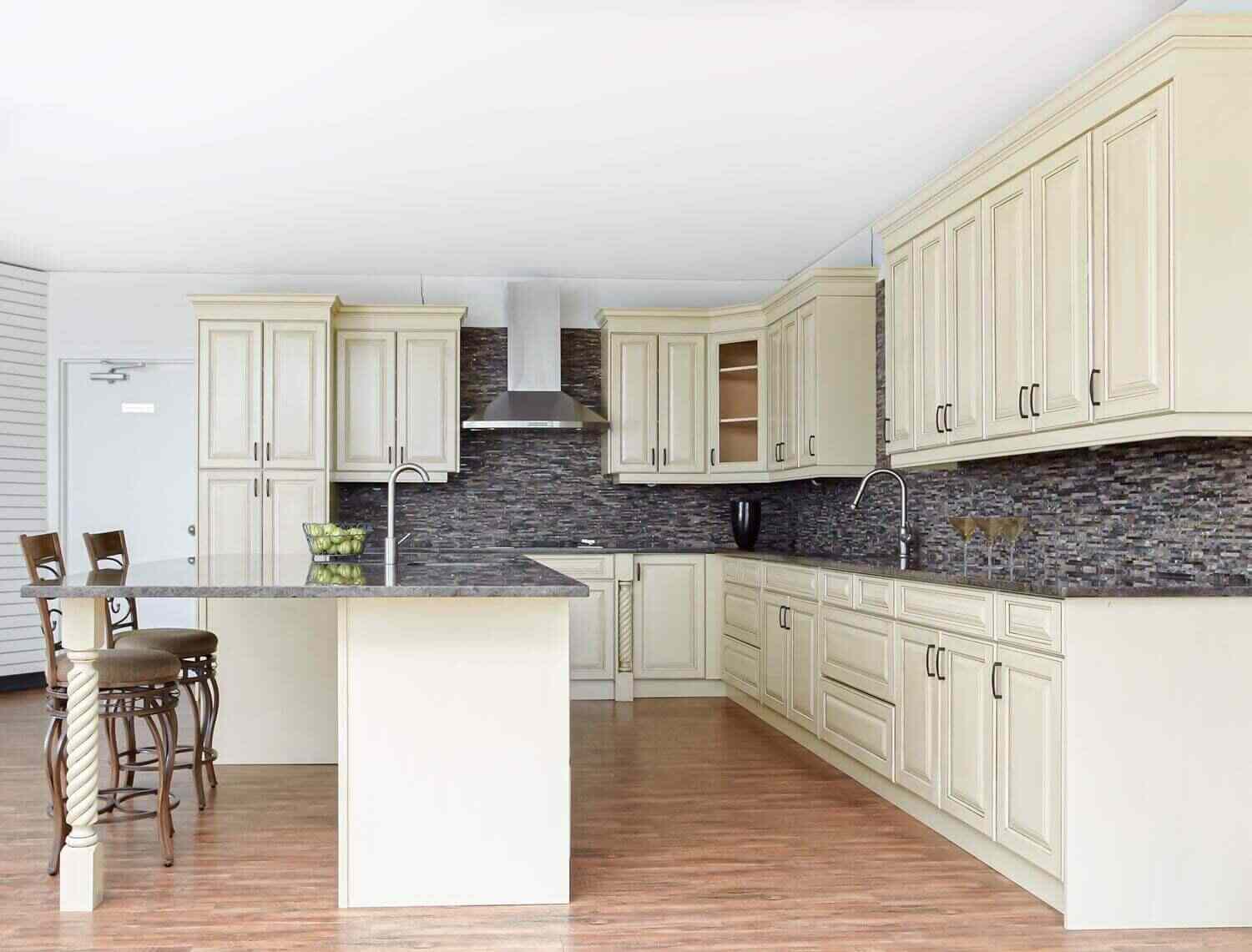
One of the biggest differences between refinishing and replacing is functionality. Refinishing keeps the existing layout intact. Replacement allows modernization of storage systems.
Features such as soft-close drawers, integrated organizers, vertical tray storage, and optimized cabinet depth significantly improve usability. If the kitchen lacks efficient storage, refinishing will not resolve those limitations.
In many cases, homeowners begin by searching how to refinish kitchen cabinets but ultimately realize that improved storage and durability are higher priorities.
Making the Right Decision for Your Kitchen
Refinishing focuses on appearance. Replacement addresses structure, storage, and long-term performance. The best choice depends on cabinet condition, budget priorities, and how long you plan to stay in the home.
If the cabinet boxes are solid and layout works well, refinishing can extend their life. If functionality, durability, and design modernization are priorities, replacing cabinets typically provides stronger long-term value.
At Zen Living, cabinet decisions are evaluated based on structural integrity, storage efficiency, and design goals. Surface upgrades can improve aesthetics, but true performance improvements often come from updated construction and thoughtful layout planning.
Understanding both options clearly allows you to choose the solution that aligns with your home, timeline, and long-term expectations. Contact our experts today to discuss your kitchen goals.