

Article Overview
Hardware placement plays an important role in both the appearance and usability of kitchen cabinetry. This article explains where to put knobs and handles on kitchen cabinets, including recommended placement for cabinet doors, drawers, and tall pantry units. It also outlines consistency guidelines, ergonomic considerations, and common mistakes to avoid so homeowners can achieve a balanced, functional, and visually cohesive kitchen design.
Cabinet hardware might seem like a small detail, but its placement has a noticeable impact on how a kitchen looks and feels. Poorly aligned handles can make even high-quality cabinetry appear unbalanced, while thoughtful placement creates a clean, professional finish.
Homeowners frequently search where to put knobs and handles on kitchen cabinets because there are several acceptable approaches depending on cabinet style, door orientation, and drawer size. Understanding standard placement guidelines helps ensure both visual consistency and everyday usability.
Why Hardware Placement Matters
Knobs and handles serve both functional and visual roles in kitchen design. They provide grip for opening doors and drawers while also contributing to the overall style of the cabinetry.
Consistent placement creates clean lines across the kitchen. When handles are installed at varying heights or positions, the cabinetry can appear uneven or disorganized. Proper placement ensures cabinets feel intentional and balanced throughout the space. Even small hardware updates can dramatically refresh the look of older kitchens, which we explore in our guide on How To Modernize Traditional Kitchen Cabinets Without A Full Remodel.
Hardware placement also affects comfort. Handles positioned too high, too low, or too close to the cabinet edge can make daily use awkward.
Understanding placement where to put knobs and handles on kitchen cabinets ensures both form and function work together.
Standard Placement for Cabinet Doors
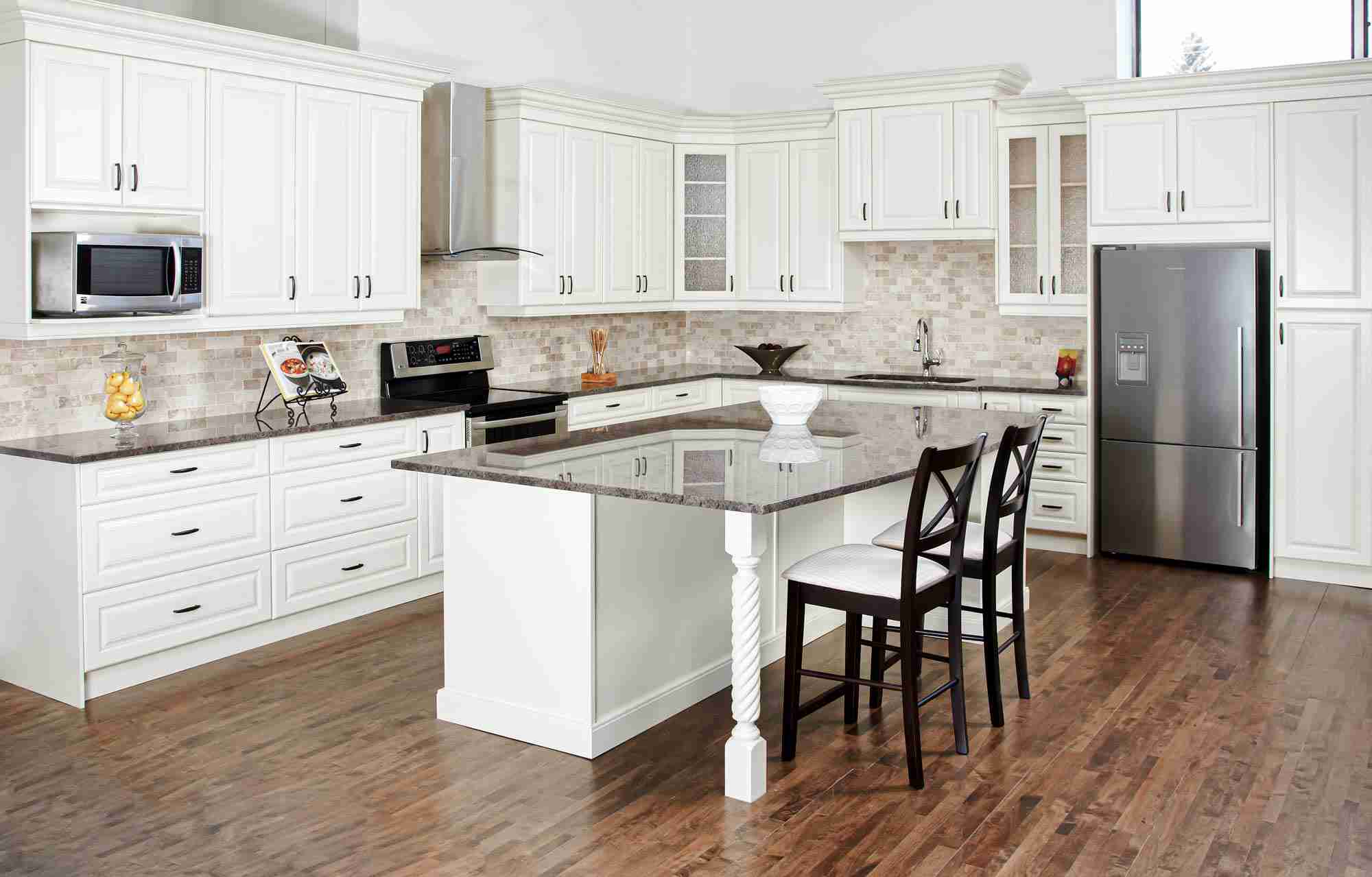
Cabinet door hardware is usually installed along the opposite side of the hinge so the handle aligns with the opening edge.
For upper cabinets, knobs or handles are typically placed 2.5 to 3 inches from the bottom corner of the door on the opening side. This allows easy access while maintaining visual balance.
For base cabinets, hardware is commonly placed 2.5 to 3 inches from the top corner of the door, again on the side opposite the hinge.
This placement keeps handles within comfortable reach while maintaining consistent alignment across cabinet rows.
Drawer Hardware Placement
Drawer hardware placement varies depending on drawer width and design style.
For smaller drawers, a single knob or handle is usually centered horizontally and vertically on the drawer front. This keeps the design simple and balanced.
Wider drawers may use one long handle centered horizontally or two knobs spaced evenly across the front. Double hardware is often used on drawers wider than 24 inches to improve functionality and visual proportion.
For handle-style pulls, they are typically centered vertically within the drawer front panel.
Following consistent measurements helps maintain symmetry throughout the kitchen.
Placement for Tall Cabinets and Pantry Doors
Tall cabinets require slightly different hardware positioning because of their height.
Handles are usually placed at a comfortable reach point near the center of the door’s opening edge. For very tall doors, handles may be positioned slightly lower to maintain accessibility.
Many designers align tall cabinet hardware with nearby upper cabinet handles to maintain visual continuity across the kitchen.
Maintaining alignment lines is one of the most important principles when determining where to put knobs and handles on kitchen cabinets.
Knobs vs Handles: How Placement Changes
Knobs and handles follow slightly different visual rules.
Knobs are typically installed at door corners because their smaller size maintains balance in that position. Handles often follow vertical or horizontal alignment lines that match cabinet rails or drawer panels.
Handles also create stronger visual lines, which means their placement can influence how the cabinetry appears proportionally.
For example, long vertical handles on tall cabinets can emphasize height, while horizontal drawer pulls emphasize width.
Consistency Across the Kitchen
Consistency is one of the most important aspects of hardware placement. Once a placement measurement is chosen, it should remain consistent across similar cabinet types.
Upper cabinets should match each other. Base cabinets should follow the same rule. Drawers should maintain consistent alignment.
This consistency creates clean visual lines throughout the kitchen.
When homeowners search for placement where to put knobs and handles on kitchen cabinets, they are often trying to avoid this exact issue: misaligned hardware that disrupts the kitchen’s overall design.
Common Hardware Placement Mistakes
One of the most common mistakes is installing hardware too close to the cabinet edge. This can weaken the door material and create an awkward grip.
Another mistake is inconsistent placement across cabinet rows. Even small measurement differences become noticeable when cabinets line up across a long wall.
Some homeowners also install drawer hardware too high or too low within the drawer face, which disrupts visual balance.
Careful measuring and consistent templates help avoid these issues.
Design Style Influences Placement
Cabinet style can influence the best hardware placement approach.
Traditional kitchens often use knobs placed at door corners and centered drawer knobs. Transitional kitchens frequently combine knobs on doors with pulls on drawers.
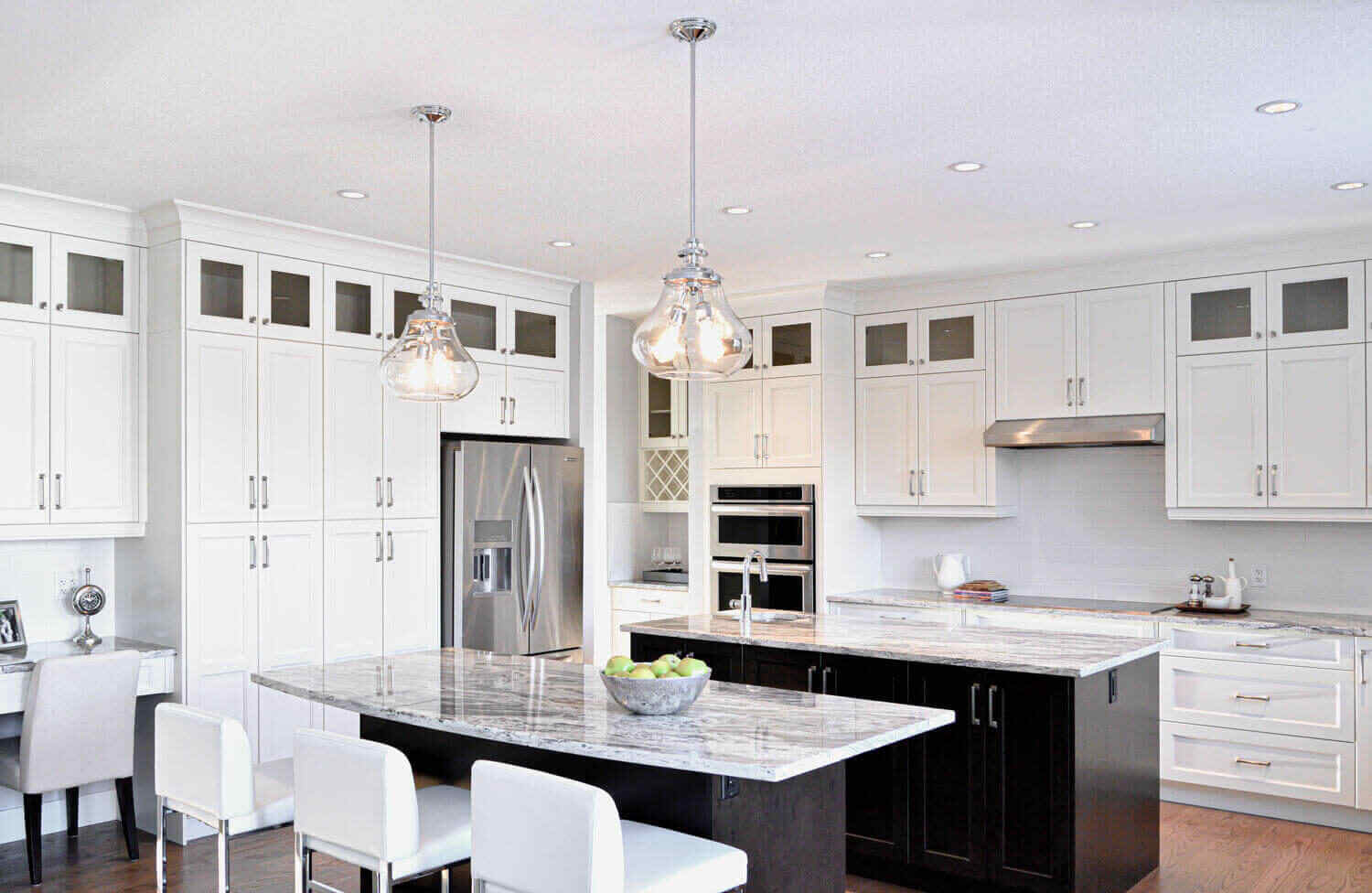
Modern kitchens often rely on longer bar handles aligned with cabinet rails or installed vertically along door edges.
Understanding the cabinet style helps determine the most visually appropriate placement.
For modern layouts, longer bar pulls and clean alignment lines are often used with contemporary kitchen cabinets.
Planning Hardware Placement Before Installation
The best time to plan hardware placement is before cabinet installation. This ensures handles align properly with cabinet rails, drawer panels, and adjacent cabinetry.
Many cabinet manufacturers provide placement templates to simplify installation and ensure consistent spacing.
Testing hardware placement with painter’s tape before drilling can also help homeowners visualize the final look.
When planned carefully, hardware placement becomes one of the finishing details that elevates the entire kitchen design.
Thoughtful Hardware Placement Makes a Big Difference
Understanding where to put knobs and handles on kitchen cabinets helps homeowners create kitchens that feel polished and functional.
Proper placement improves comfort, maintains visual alignment, and enhances the overall cabinet design. Whether using knobs, pulls, or a combination of both, thoughtful planning ensures cabinetry looks intentional and performs well.
When cabinetry design, hardware selection, and placement are coordinated from the start, even small details contribute to a kitchen that feels cohesive and well-crafted.
If you’re planning new cabinetry and want expert guidance on layout, finishes, and hardware selection, the team at Zen Living can help you design a kitchen that balances style, storage, and everyday usability.