

Article Overview
Cabinet lead times can affect installation scheduling, countertop templating, plumbing, finishing work, and overall renovation timelines. This article explains the most common factors that extend cabinet lead times, including incomplete measurements, delayed approvals, late material selections, ordering errors, and supplier production schedules. It also outlines practical ways to reduce avoidable delays through earlier planning, accurate specifications, clear communication, and realistic scheduling so renovation projects can move from cabinet ordering to installation with fewer disruptions.
Cabinetry often sits at a critical point in the renovation sequence because several stages of work depend on it being ready at the right time. When the ordering process is not properly coordinated, even a small issue can affect installation and create delays for the work that follows.
Reducing that risk starts before manufacturing begins. A well-organized process gives the supplier the information needed to move the order forward efficiently while giving the project team clearer expectations around timing, approvals, and installation.
What Causes Cabinet Lead Times to Increase?
Cabinet lead times are influenced by both supplier capacity and the quality of the information provided before manufacturing begins. An order cannot move forward efficiently if key details are still unresolved.
Common causes include incomplete site measurements, unconfirmed appliance specifications, late finish selections, changes to the layout, and errors discovered after the order has been prepared. Each issue can trigger additional review or revisions before manufacturing can begin, which may affect the planned installation date.
The type of cabinetry selected can also affect timing. Our guide Prefab vs Custom Cabinets: What You Gain (and What You Give Up) explains how customization, sizing, and manufacturing requirements differ between the two approaches. Understanding those differences early can help set more realistic expectations for the overall timeline and reduce scheduling assumptions that may be difficult to meet later.
Accurate Measurements Reduce Ordering Delays
Accurate measurements provide the foundation for the cabinet order. Dimensions should reflect actual site conditions and account for walls, openings, appliances, fillers, panels, and clearances that affect the finished installation.
For example, consider a kitchen where appliance dimensions have not been confirmed before the cabinetry is approved. If the selected refrigerator later requires different clearances, adjacent cabinets may need to be adjusted. That change can trigger revised drawings and another review before the order can move ahead.
Confirming dimensions and site conditions early helps reduce the risk of avoidable changes and gives the design and ordering process a more stable starting point. It can also make installation planning easier because the team has greater confidence that the approved cabinet layout reflects what is actually on site.

Early Selections Keep the Approval Process Moving
Material and finish decisions can also slow an order when they are left too late. Door styles, colours, hardware, and other visible details should be discussed early enough to avoid holding up final specifications.
Reviewing cabinet finishes and colours earlier in the process can help narrow down suitable options with clients and finalize selections sooner. This reduces the chance that late finish decisions will interrupt the ordering process.
The same applies to cabinet configuration. Reviewing kitchen cabinet options before the order is finalized can help identify suitable layouts and design features earlier, limiting unnecessary changes later. When major decisions are resolved before final approval, there are fewer reasons to reopen the order once it is ready for manufacturing.
How Can Ordering Errors Affect the Renovation Timeline?
Even a relatively small ordering error can create problems during installation. Missing fillers, incorrect cabinet dimensions, overlooked finished panels, or inaccurate hardware details may prevent part of the cabinetry from being completed as planned.
An incomplete cabinet run can also delay countertop templating. That can then affect plumbing, backsplash work, appliance installation, and finishing tasks that depend on the cabinetry being in place.
A careful final review before release is therefore essential. It gives the project team an opportunity to confirm that dimensions, components, finishes, and other details match the approved design before the order moves into manufacturing. Catching an issue at this stage is usually less disruptive than discovering it after cabinets arrive on site.
Production Scheduling Requires Realistic Planning
Some factors affecting cabinet lead times are outside the project team’s control. Manufacturing still depends on available capacity, materials, finishing requirements, quality checks, and the supplier’s existing workload.
For that reason, cabinetry should be planned around confirmed timing rather than assumptions. Our article Kitchen Reno Timeline: How Long Cabinets Actually Take explains how cabinet design, approvals, production, delivery, and installation fit into the broader renovation schedule, helping project teams plan more realistic milestones and coordinate the work that follows.
Local production can also make communication more direct when questions arise during ordering or manufacturing. Zen Living’s Calgary operations provide a local point of contact, which can make it easier to clarify details and keep information moving between the supplier and project team.
Building a More Predictable Cabinet Ordering Process
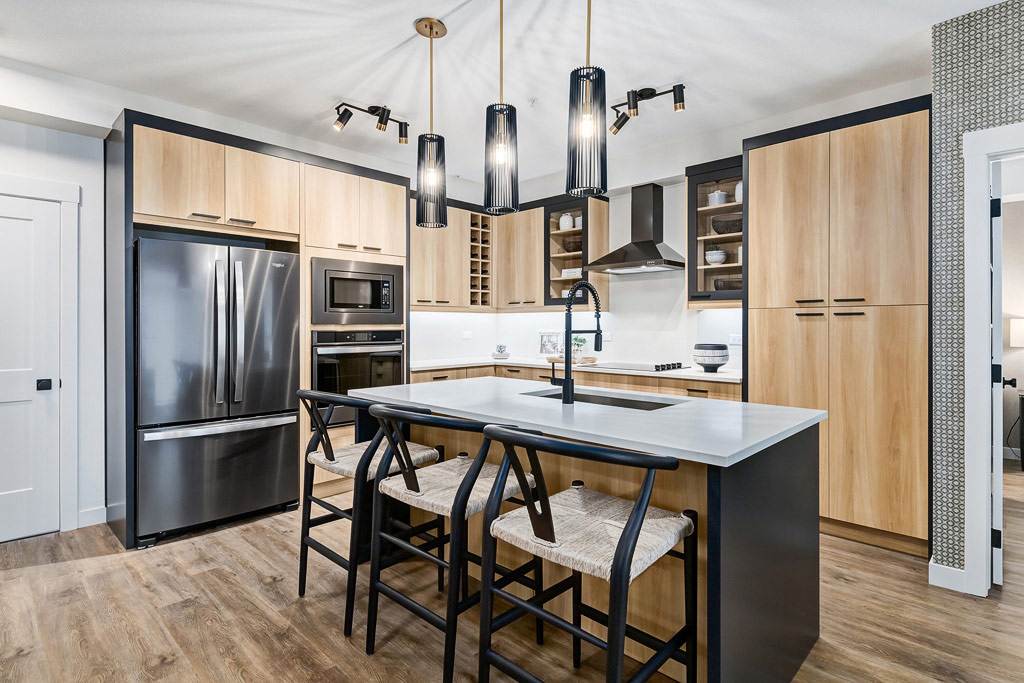
Reducing avoidable cabinet delays starts with a well-managed ordering process. When site information is complete and key decisions are finalized before the order is released, cabinetry can move through manufacturing with fewer interruptions.
For renovation professionals managing multiple trades, that consistency can make a meaningful difference. A more reliable cabinet timeline supports better labour planning, clearer sequencing, and fewer disruptions to the work that depends on installation being completed first. It can also make client expectations easier to manage because milestones are based on confirmed information rather than estimates made too early in the process.
If you are planning cabinetry for an upcoming renovation or repeat project, contact Zen Living to discuss your cabinet requirements, specifications, and project schedule.